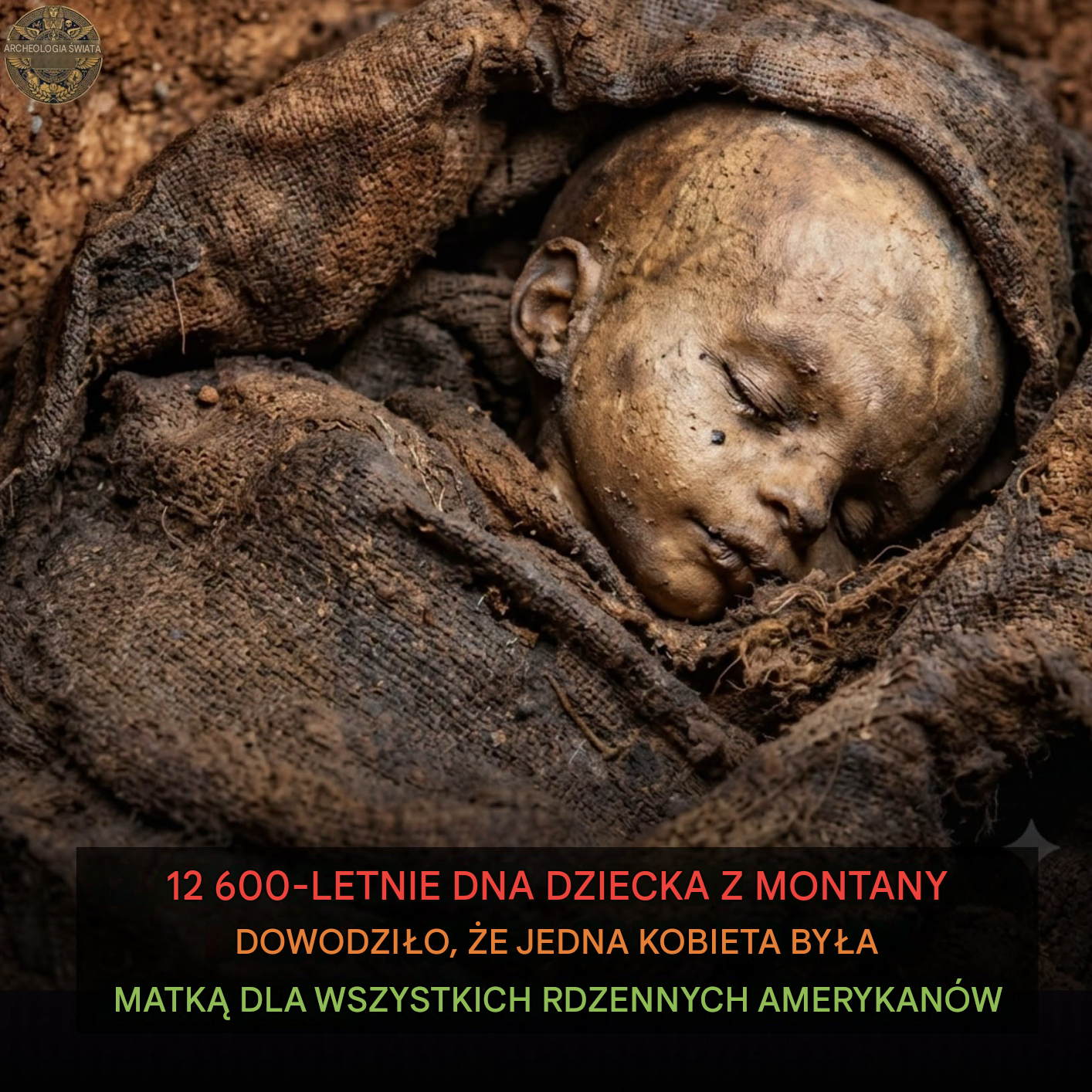
Part 6: Ethics, Repatriation, and a New Era for Science
Beyond its scientific breakthroughs, the story of Anzick-1 marks a profound ethical turning point in how Western scientists interact with Indigenous communities.
Historically, archaeology and physical anthropology in North America had a deeply painful relationship with Native American tribes. For over a century, museums, universities, and government agencies excavated thousands of Indigenous burial sites without tribal consent, treating ancestral human remains as archaeological specimens rather than human beings with living descendants.
Even in the recent past, high-profile discoveries like Kennewick Man triggered bitter, decade-long legal battles between scientists who wanted to study ancient bones and tribal nations who demanded the right to rebury their ancestors under the Native American Graves Protection and Repatriation Act (NAGPRA).
Because Anzick-1 was discovered on private land rather than federal or tribal land, NAGPRA technically did not apply to his remains. Legally, the researchers could have sequenced his DNA, published their paper in Nature, and kept his bones in a laboratory drawer indefinitely without ever consulting a single Native American tribe.
Instead, Sarah Anzick and Eske Willerslev chose a different path.
Partnering with Montana’s Tribal Nations
Before publishing their results, Willerslev and Sarah Anzick traveled across Montana to meet personally with leaders and representatives from multiple federally recognized tribes—including the Crow (Apsáalooke), Confederated Salish and Kootenai Tribes, Blackfeet, Northern Cheyenne, Assiniboine, Sioux, Gros Ventre, Chippewa, and Cree.
They explained the genetic findings directly to tribal elders, answered questions about how the testing was conducted, and listened to the communities' perspectives. Many tribal leaders welcomed the scientific results—not because they needed DNA to prove their connection to the land, which their own oral histories had maintained since time immemorial, but because the genomic evidence definitively silenced fringe theories (like the Solutrean hypothesis) that sought to undermine Indigenous primacy in the Americas.
At the same time, tribal elders expressed a clear, unified spiritual priority: the child needed to be returned to the earth.
Please click on the next page to continue reading 👇