

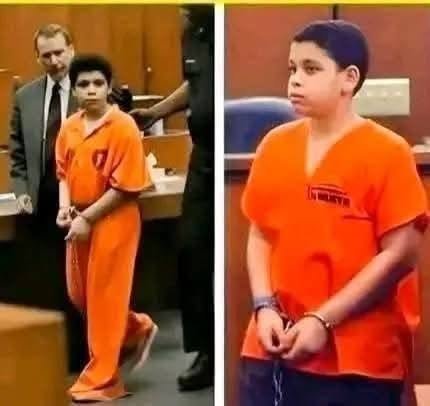
Nie było magicznych rozwiązań.
Prawo nadal musiało być przestrzegane.
Supermarket miał prawa.
A Thomas musiał wziąć odpowiedzialność za swoje czyny.
Adam jednak wierzył, że odpowiedzialność i współczucie mogą iść w parze.
Kiedy spotkanie się zakończyło, Thomas trzymał go za rękę.
„Dlaczego to wszystko dla mnie robisz?”
Adam się uśmiechnął.
„Bo kiedy byłem młody, ktoś mi pomógł, kiedy myślałem, że nikt się mną nie interesuje”.
Starszy człowiek zaczął płakać.
Adam czekał, aż znów będzie mógł mówić.
Wtedy Tomasz szepnął:
„Myślałem, że ludzie zapomnieli o takich mężczyznach jak ja”.
Adam delikatnie pokręcił głową.
„Nie każdy ma.”
Rozdział 10: Dobroć, która nigdy się nie skończyła
Sprawa Thomasa pozostała w rękach Adama długo po zakończeniu postępowania prawnego.
He continued thinking about how many people faced similar problems without knowing where to turn.
Some were elderly.
Some were children.
Some were working parents whose wages could no longer cover basic needs.
Others were people recovering from illness or struggling to rebuild their lives after losing jobs.
Adam realized that the help he offered one person at a time, while important, could reach only so far.
He wanted to build something more lasting.
He began contacting local charities, food banks, schools, and legal aid organizations.
Together, they created a community support initiative.
Its goal was simple.
Help people before desperation became a crisis.
Families could receive information about food assistance, medical resources, housing support, and free legal services.
Students facing financial hardship could be connected with mentoring and educational opportunities.
Older adults could receive help navigating benefits and community programs.
Adam insisted that everyone be treated with dignity.
He did not want people standing in long lines feeling judged.
He did not want families to believe they had failed simply because they needed assistance.
And he never wanted another child to believe that stealing was the only way to feed a sick parent.
At the opening of the initiative's first community center, Adam stood before a small crowd.
His mother sat in the front row.
Her hair had turned gray.
Her hands moved more slowly than before.
But her eyes shone with pride.
Beside her sat Thomas Reed, who had become one of the center's regular volunteers.
There were teachers, local business owners, social workers, and families who had received assistance.
Adam stepped toward the microphone.
"When I was fifteen years old," he began, "I made a terrible decision."
The room became quiet.
"I stole a loaf of bread because my mother was sick and we had almost nothing to eat."
Kliknij następną stronę, aby czytać dalej 👇